
The Texture Toolkit: How Product Developers Are Building More Dynamic Food Experiences
They want crunch. Contrast. Creaminess. Crispness. Layers. A more dynamic eating experience. That shift is changing the way ingredient buyers, R&D managers, and entrepreneurs approach product formulation across snacks, bakery,…
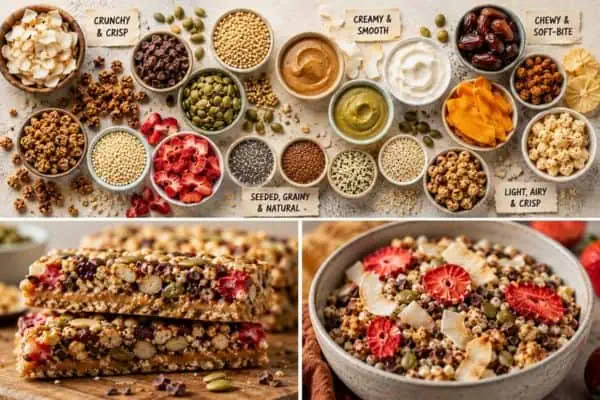
They want crunch. Contrast. Creaminess. Crispness. Layers.
A more dynamic eating experience.
That shift is changing the way ingredient buyers, R&D managers, and entrepreneurs approach product formulation across snacks, bakery, cereals, beverage applications, frozen desserts, and plant-based products.
Texture is no longer just a finishing touch. Increasingly, it’s becoming part of the product identity itself.
Just as a well-trained chef balances acid, fat, sweetness, heat, and aroma to build a memorable dish, product developers are now carefully layering textures to create more engaging sensory experiences. A product that is entirely smooth may feel flat. A product that is only crunchy may feel one-dimensional. The most compelling formulations often combine multiple textures working together in balance.
For today’s formulation teams, texture has become a toolkit. And the ingredient formats helping drive that innovation are evolving quickly.
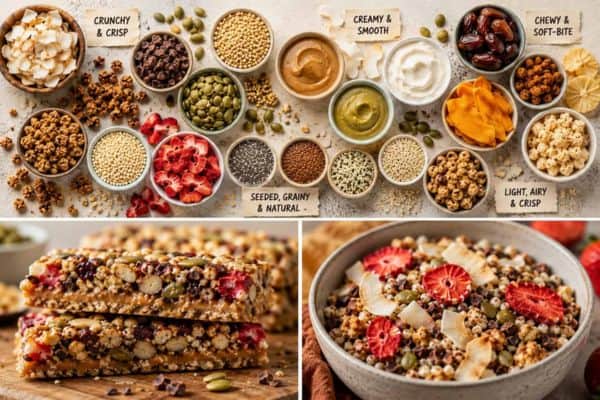
Texture Trends Shaping Product Innovation
Some of the fastest-growing and most talked-about food products in recent years have leaned heavily into texture contrast and layered sensory experiences.
From premium snack bars combining creamy nut or seed butters with protein crisps and seeds, to frozen desserts layered with crunchy inclusions, to viral concepts like Dubai Chocolate pairing smooth pistachio filling with crispy kataifi pastry, consumers are increasingly gravitating toward products that feel dynamic and texturally engaging. In the bakery world, the mash-up of a croissant and a doughnut becoming a cronut is another example of contrasting textures working together. The cronut is the juxtaposition of a flaky, airy croissant with a soft, chewy and springy doughnut.
Texture is now influencing perceived freshness, indulgence, premium positioning, craveability, and repeat purchase behavior.
Increasingly, consumers are not simply asking whether a product tastes good. They are responding to how the product feels throughout the eating experience.
Flavor may capture attention initially, but texture is often what makes the eating experience memorable.
Crunch & Crisp Texture
Creating contrast, freshness, and perceived indulgence
Crunch remains one of the most effective ways to increase perceived freshness and satisfaction within a product. Even a relatively simple formulation can feel more premium when layered with crisp or crunchy inclusions that create contrast during the eating experience.
This is one reason crunchy textures continue to perform so well across snack bars, granola, bakery, trail mixes, confectionery, salad toppers, and frozen desserts. Consumers increasingly associate crunch with freshness, quality, and indulgence.
Premium granola brands, seed-forward crackers, crunchy smoothie toppers, and better-for-you confectionery products increasingly rely on visible crunchy inclusions to create a more dynamic sensory experience. In many cases, the crunch itself becomes part of the product identity.
Ingredients like toasted coconut chips, coconut smiles, cacao nibs, pumpkin seeds, sunflower kernels, granola inclusions, and freeze-dried fruits can all contribute different types of crunch depending on the application.
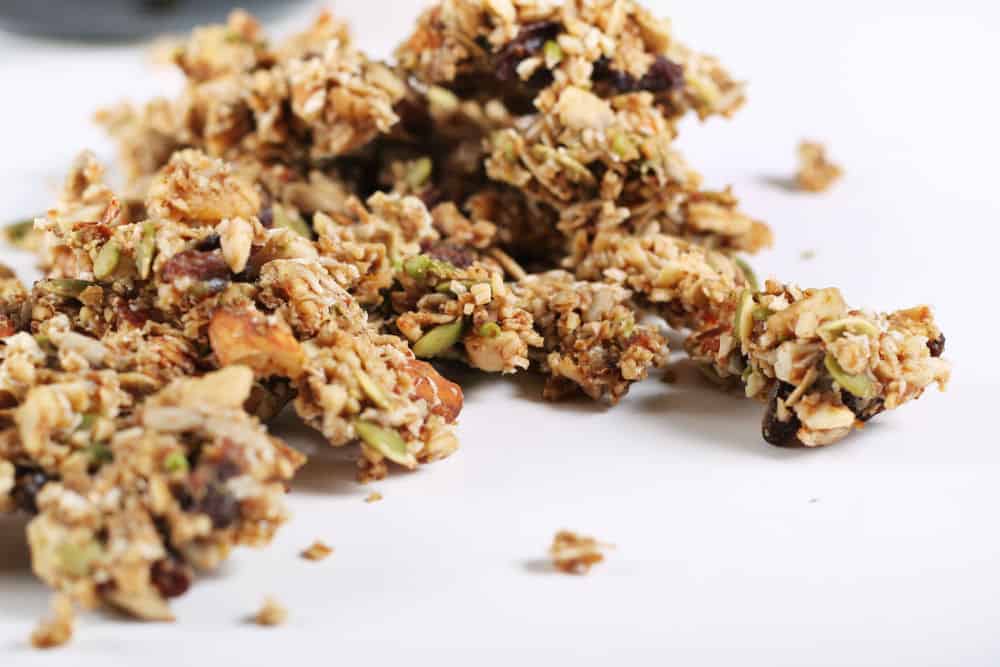
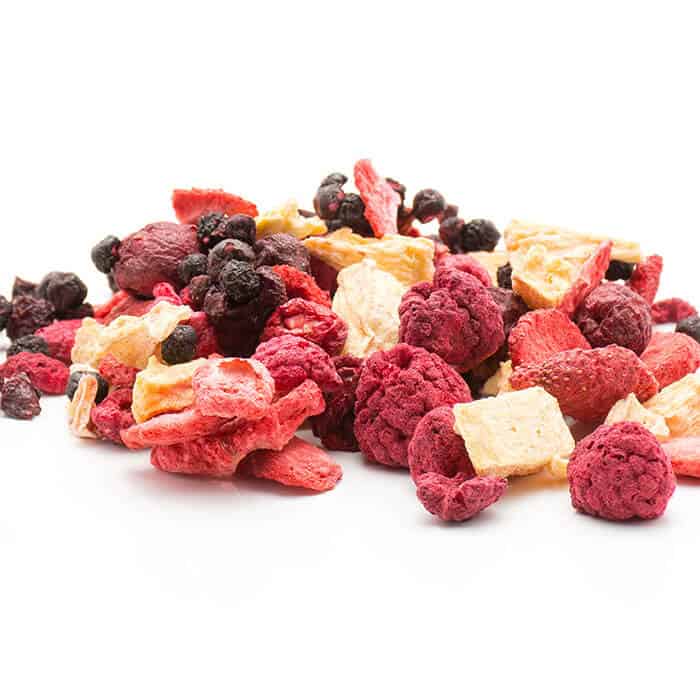
Not all crunch behaves the same way.
Cacao nibs provide a sharper, more brittle bite with roasted notes that work well in premium snack and confectionery applications. Pumpkin and sunflower seeds create a more substantial crunch with nutritional positioning attached to visible inclusions. Toasted coconut can create a lighter, more delicate crispness while also contributing flavor and visual appeal.
Freeze-dried fruits offer yet another texture experience — airy, crisp, and highly flavorful while also bringing vibrant color into the formulation.
The most effective product developers are not simply adding crunch. They are choosing which type of crunch best supports the eating experience they want consumers to remember.
Creamy & Smooth Texture
Building richness, mouthfeel, and balance
Smooth textures continue to play an essential role in premium food development, particularly in plant-based products, spreads, desserts, fillings, smoothies, sauces, and snack applications.
Creaminess can soften sharper textures, round out flavor systems, and create a more indulgent overall mouthfeel.
Many modern plant-based desserts, pistachio creams, premium nut-based spreads (think cashew cheese) and frozen (dairy and non-dairy) desserts intentionally utilize smooth, rich textures to create indulgence while balancing sharper or crunchier inclusions layered throughout the product. Frozen dessert inclusions vary widely, from crunchy candied nuts, to chewy dried cherries or cookie dough, to crispy cereal clusters, to name just a few.
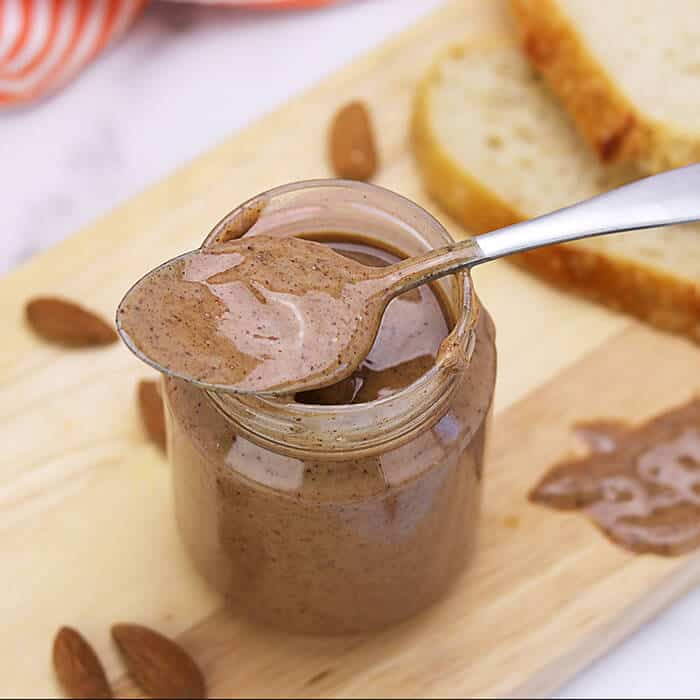
Nut and seed butters — including almond, cashew, pistachio, pumpkin seed, and sunflower seed butter — are increasingly being used not only for flavor and nutrition, but also for textural engineering within formulations.
A smooth cashew butter may help create a velvety base for a plant-based dessert. Pistachio butter can add richness while contributing color and premium positioning. Pumpkin seed butter introduces earthy depth and creamy body that works particularly well in better-for-you applications.
Coconut cream, coconut milk powder, tahini, oat-based ingredients, and date paste can also contribute smoothness while helping product developers achieve different viscosity, moisture, and mouthfeel targets.
What makes smooth textures especially powerful is how effectively they pair with contrast.
Some of today’s most successful products combine creamy and crunchy elements together: smooth nut butter layered with seeds, creamy frozen desserts topped with crisp inclusions, or soft snack centers coated with crunchy exterior textures.
Consumers increasingly expect that kind of layered sensory experience.
Chewy & Soft-Bite Texture
Creating body, moisture retention, and a more substantial eating experience
Chewy textures continue to perform strongly in snack bars, bakery products, energy bites, trail mixes, and functional foods because they help products feel more substantial and satisfying.
As texture becomes an increasingly important part of product innovation, formulators need ingredient partners who understand both functionality and sensory experience. Smirk’s helps R&D teams, ingredient buyers, and entrepreneurs explore texture-forward formulation through ingredient samples, nutritional data, specification sheets, and sourcing support — helping turn texture ideas into commercially viable products.
Dried fruits such as mango, pineapple, peaches, mulberries, dates, figs, golden berries, and raisins each contribute different levels of chew, moisture retention, sweetness, and visual character.

Dates and date paste are particularly versatile because they contribute both binding functionality and soft texture while helping support naturally sweetened positioning. Golden berries can introduce a slightly tart chew that creates contrast against sweeter components. Dried peaches and pineapple can contribute larger bite structure and visual texture within bars and mixes.
Chewy inclusions also help slow down the eating experience, which can influence how consumers perceive satiety and product quality.
In many formulations, chewy textures serve as the bridge between crispness and creaminess — helping create a more balanced sensory profile overall.
Light, Airy & Crisp Texture
Creating delicate crunch and modern snacking experiences
Not all crunchy textures are dense or heavy.
Many modern snack, cereal, and nutrition applications are moving toward lighter, crispier texture systems that create contrast without overwhelming the eating experience.
Lighter crunch systems have become increasingly common across protein bars, cereal clusters, yogurt toppings, functional snacks, and better-for-you products where brands are looking to create texture and volume without excessive density.
Freeze-dried fruits, puffed grains, protein crisps, lighter granola systems, and desiccated coconut can all help product developers create textures that feel airy, dynamic, and highly snackable while still delivering strong flavor and visual appeal.
Freeze-dried strawberries, blueberries, mango, pineapple and banana, deliver concentrated flavor alongside delicate crispness and vibrant color. Puffed grains such as quinoa and sorghum create lighter crunch systems that can add texture and volume without creating excessive density within the finished product.
Protein crisps are also becoming increasingly important in modern formulation. Quinoa protein crisps and sacha inchi protein crisps can add crisp texture, visual differentiation, and nutritional positioning to products ranging from bars and granola to cereal and functional snack applications.
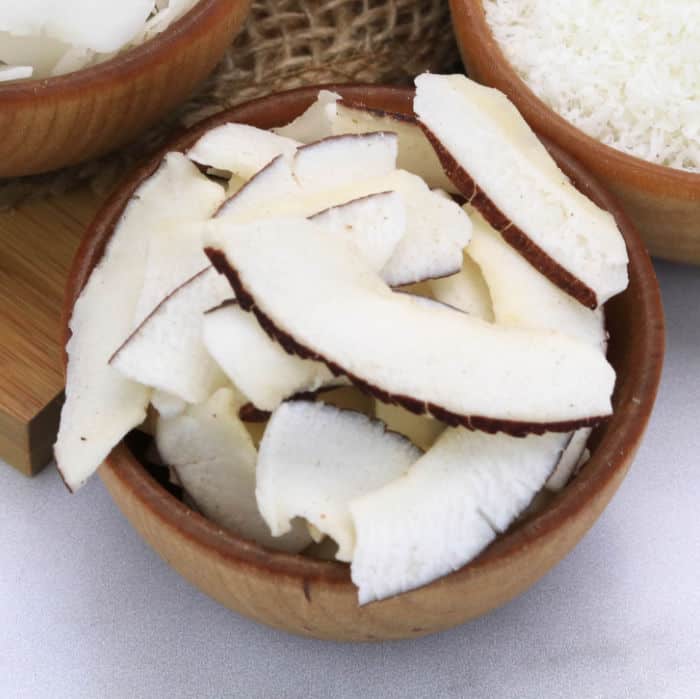
Even within coconut products, texture can vary significantly depending on cut size and processing style. Thin toasted or untoasted coconut chips may contribute a lighter, delicate crispness, while larger coconut smiles can create a more substantial bite and layered texture experience.
These lighter texture systems are especially effective when paired with creamy or chewy components that create contrast throughout the eating experience.
Seeded, Grainy & Natural Texture
Textures that communicate simplicity and functionality

Certain textures immediately signal wholesomeness and functionality to consumers.
Visible seeds, ancient grains, and textured inclusions help reinforce perceptions around fiber, protein, minimally processed foods, and clean-label formulation.
Consumers increasingly associate visible seeds and grains with wholesomeness and functionality. This is reflected across categories ranging from seeded artisan crackers and grain-forward granolas to multi-seed breads and premium nutrition bars.
Ingredients such as chia, flax, hemp, quinoa, teff, sorghum, pumpkin seeds, and sunflower seeds contribute not only nutrition and visual identity, but also distinct textural characteristics that influence the overall eating experience.
A seeded cracker communicates something very different from a smooth cracker. A grain-forward granola delivers a different sensory expectation than an extruded cereal product.
Texture plays a major role in how consumers interpret product quality, authenticity, and even nutritional value.
For formulation teams, these ingredients are often doing multiple jobs simultaneously: supporting nutrition targets, improving visual appeal, and creating more engaging texture systems within the final product. In some cases they are also checking the gluten free box as well.
Texture Is Becoming Part of Product Identity
Texture is no longer simply supporting flavor. Increasingly, it is helping define how consumers experience products altogether.
For ingredient buyers, R&D managers, and entrepreneurs, that creates both a challenge and an opportunity: how to thoughtfully combine textures that work together rather than compete against one another.
The future of formulation is likely to involve more intentional layering of crispness, creaminess, chewiness, crunch, and contrast — creating products that feel more memorable from the very first bite.
Ultimately, consumers are looking for products that feel craveable. Products that encourage another bite. Products that deliver enough sensory satisfaction to create repeat purchases and long-term brand loyalty.
In many cases, that experience comes down to texture just as much as flavor.
The brands that thoughtfully build layered sensory experiences — pairing smooth with crunchy, chewy with crisp, or rich textures with lighter inclusions — are often the ones creating products consumers return to again and again.
And increasingly, the ingredients selected at the formulation stage are what make those experiences possible.
Supporting Texture-Forward Formulation
As texture becomes an increasingly important part of product innovation, formulators need ingredient partners who understand both functionality and sensory experience. Smirk’s helps R&D teams, ingredient buyers, and entrepreneurs explore texture-forward formulation through ingredient samples, nutritional data, specification sheets, and sourcing support — helping turn texture ideas into commercially viable products.
Categories
INGREDIENT INSIGHTS
Recent Posts

Expo West 2026: Natural Food Ingredient Trends
Apr 13, 2026
We just got back from Expo West 2026, and if you want the honest takeaway:…

ExpoWest Is Here, And We’re Ready
Mar 3, 2026
It’s that time of year again… ExpoWest 2026 is upon us. Where can you find…